How to Compare and Choose Security Camera Installation Contractors
Compare local contractors to define the scope, verify experience, and set clear expectations for secure, reliable security camera installation tailored to your property.
Security camera installation services typically cover the assessment of property needs, selection of appropriate camera systems, and the physical setup of cameras in strategic locations. This process often involves consulting with property owners to understand their security concerns, recommending suitable equipment, and ensuring proper placement for optimal coverage. Experienced contractors handle tasks such as mounting cameras, configuring network connections, and integrating the system with existing security infrastructure, all aimed at providing reliable surveillance tailored to the specific layout of the property.
Defining the scope of work is a critical step in the process, as it helps establish clear expectations and prevent misunderstandings. Property owners should work with contractors to specify the types of cameras, the number of units, the areas to be monitored, and any additional features such as remote access or recording capabilities. Having these details in writing not only clarifies what will be included but also serves as a reference point throughout the project, ensuring that both parties agree on deliverables and responsibilities from the outset.
When comparing local contractors for security camera installation, it’s important to evaluate their experience, reputation, and the range of services offered. Property owners can seek out reviews or references to gauge the quality of previous work and verify that the service providers have relevant experience with similar projects. Additionally, reviewing the scope of services, communication practices, and the clarity of written estimates can help ensure that expectations are aligned. Taking these steps can facilitate a smooth installation process and help property owners choose a contractor that meets their specific security needs.
Compare local contractors by outlining your priorities, verifying experience, and clearly defining project scope and expectations.
- Compare Contractor Experience - Review the backgrounds and project history of local contractors to ensure they have relevant experience.
- Define Project Scope - Clearly outline the specific security camera installation needs and expectations in writing.
- Verify Credentials - Check references and credentials to assess the reliability and quality of local service providers.
- Set Clear Expectations - Establish detailed agreements with local contractors to ensure understanding of the work scope and deliverables.
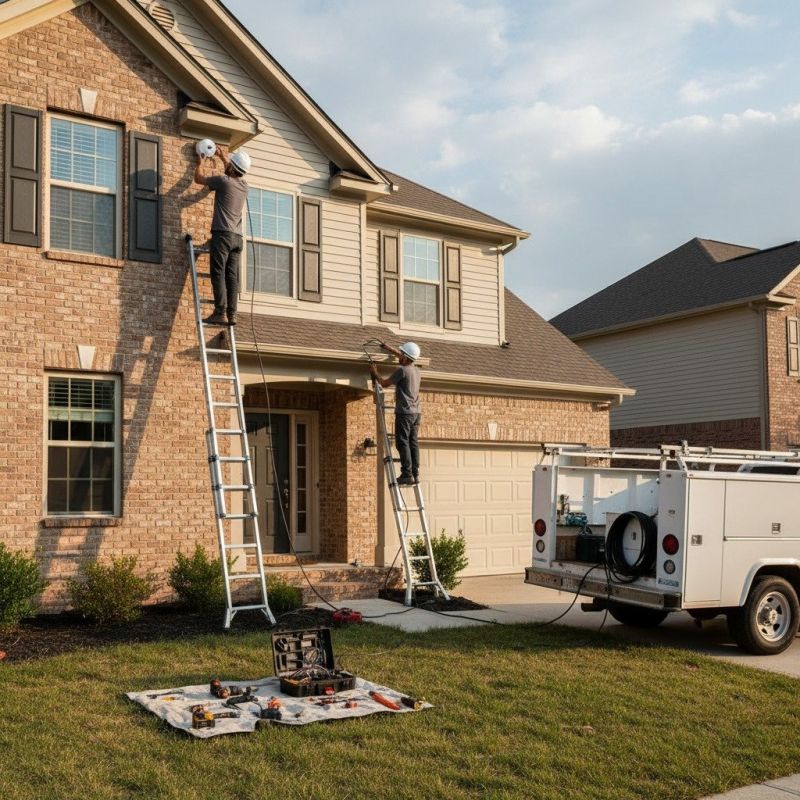
Clearly describe your security camera installation project to help local contractors compare options and define expectations effectively.
- Verify experience and references for security camera installation projects. - Ensure contractors have a proven track record with similar security camera systems.
- Define the scope of work clearly in writing before the project begins. - Details should include camera types, locations, and installation requirements.
- Assess the contractor’s knowledge of different camera technologies and installation methods. - Choose service providers familiar with the latest security camera options.
- Request detailed written estimates that outline the work to be performed and materials used. - This helps set clear expectations and avoid misunderstandings.
- Check if the contractor offers consultation on optimal camera placement and system design. - Proper placement maximizes security coverage and system effectiveness.
- Compare multiple local contractors to evaluate their experience, scope clarity, and communication quality. - This ensures selecting a reliable service provider for the installation.
Compare local contractors' experience and clarify project scope to ensure your security camera installation meets expectations.
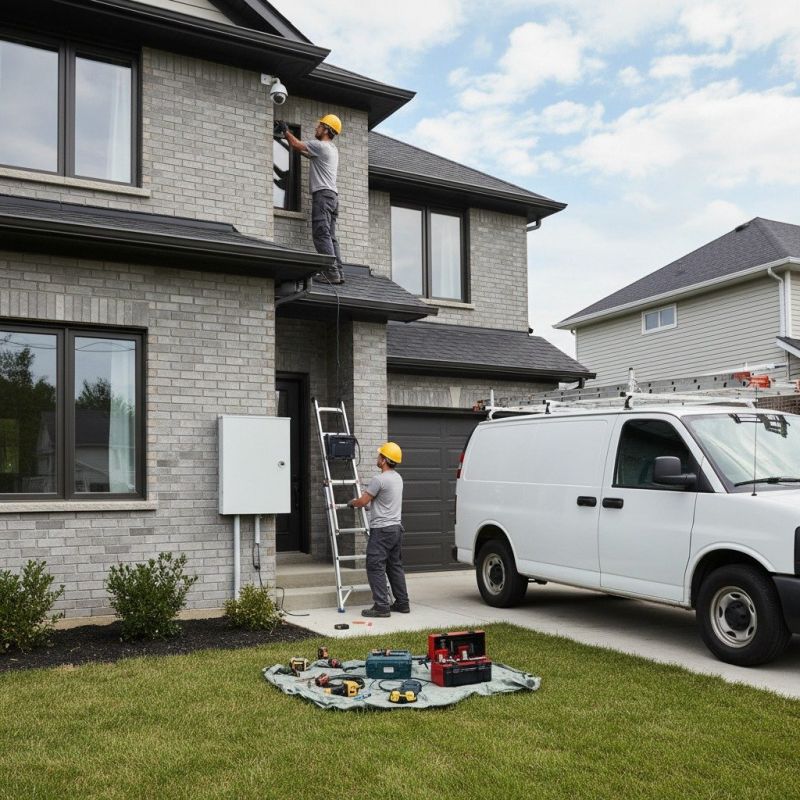
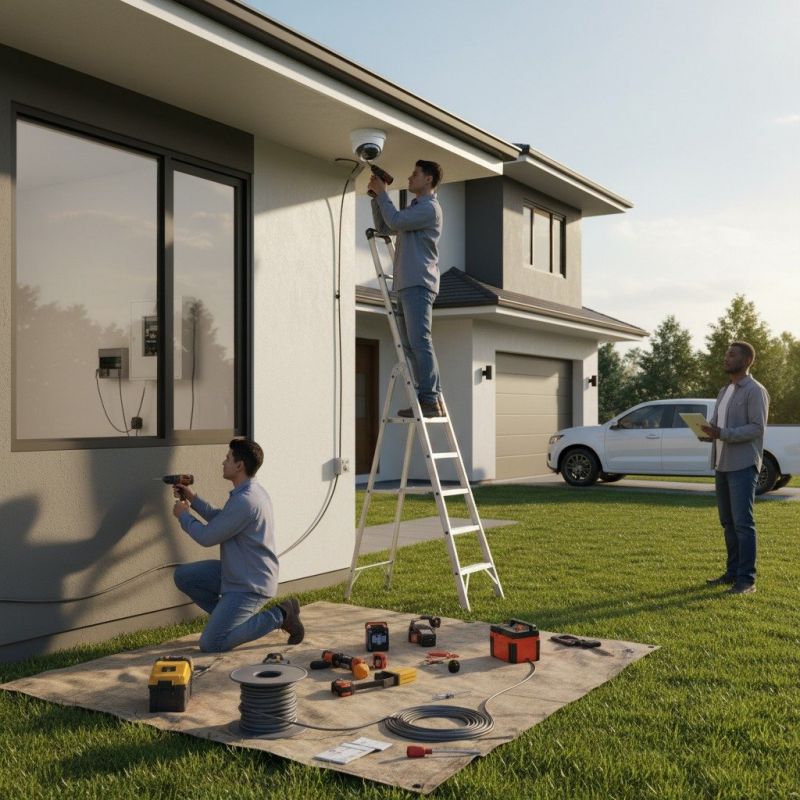
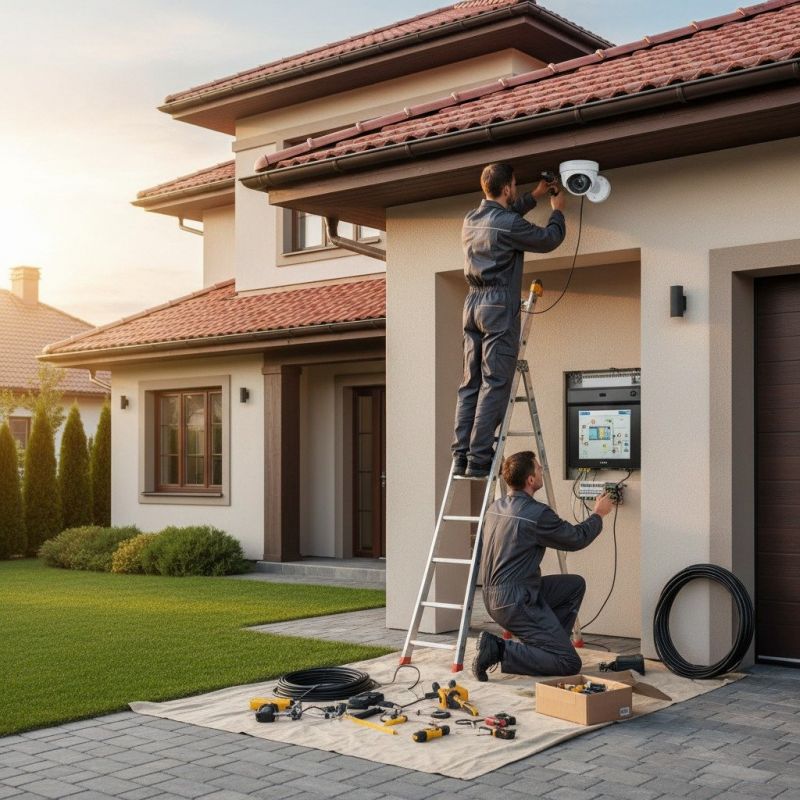
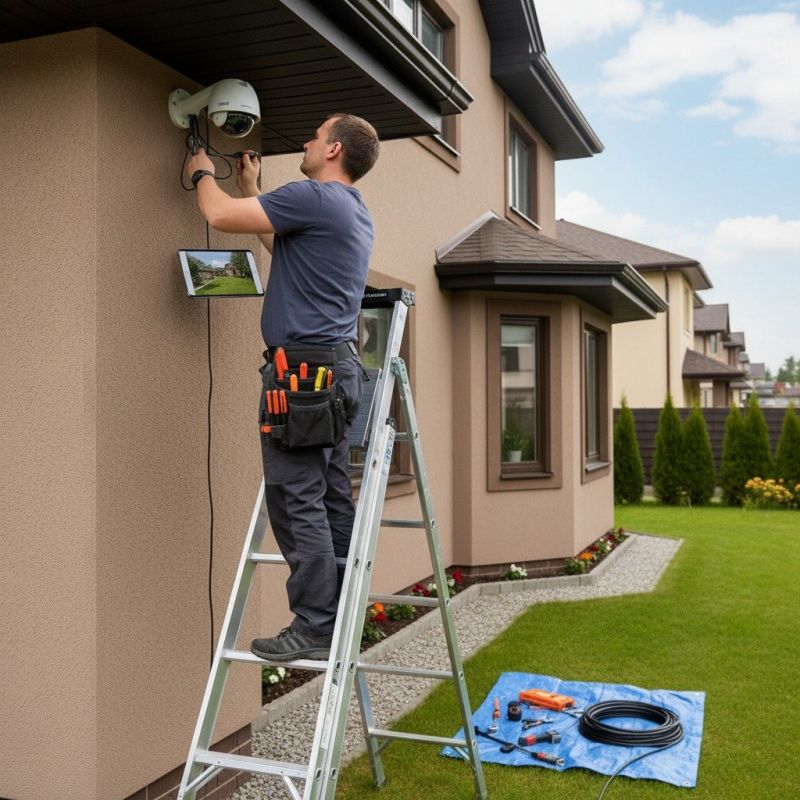
Use clear, consistent comparison criteria to evaluate local contractors’ scope, experience, and written expectations.
- Define installation scope - specify the number and locations of security cameras to be installed.
- Assess site requirements - identify areas that need surveillance and determine optimal camera placement.
- Verify service provider experience - review the contractor’s background with security camera installations.
- Outline system specifications - clarify camera types, features, and integration needs in writing.
- Establish project expectations - document installation procedures, coverage areas, and performance criteria.
When comparing contractors for security camera installation, it is important to evaluate their experience with similar projects. Service providers who have a proven track record working on residential or commercial security systems can offer insights into potential challenges and solutions specific to properties like yours. Asking about their past projects, the types of cameras installed, and the environments they have worked in can help gauge their familiarity with the scope of work you require. This background knowledge can contribute to a smoother installation process and a more reliable security setup.
A clear and detailed written scope is essential when assessing different contractors. The scope should outline exactly what the installation includes, such as the number of cameras, camera types, placement locations, wiring, and any additional equipment or features. Having a comprehensive scope in writing helps ensure that both parties share the same expectations and understand the extent of the work involved. It also provides a reference point for any future discussions or adjustments, reducing the likelihood of misunderstandings or overlooked details.
Verification basics involve confirming that the service providers have the necessary experience and expertise relevant to your project. While licensing and certification are not the focus here, you can verify their reputation through references, reviews, or examples of completed work. Requesting a list of previous clients or projects similar to yours can help validate their capabilities. Additionally, understanding their process for handling issues or modifications during installation can provide confidence that they are prepared to manage unforeseen circumstances professionally.
When evaluating options, it is helpful to consider how each contractor communicates and documents their approach. Look for detailed proposals or written plans that clearly define the scope, materials, and methods they intend to use. Comparing these documents allows for an objective assessment of each service provider’s thoroughness and clarity. Avoid relying solely on verbal assurances; instead, prioritize those who can provide comprehensive, written information that sets clear expectations. This approach helps ensure that the chosen contractor can deliver a consistent and well-understood security camera installation tailored to the property’s needs.
Ask contractors to provide written scope and details to ensure clear expectations and consistent project understanding.
- **Experience and Expertise** - What level of experience do local contractors have with security camera installations similar to the scope of the project?
- **Scope of Work** - How do contractors define and clarify the specific tasks included in the installation process?
- **Equipment Compatibility** - Do the service providers verify that the chosen cameras and equipment are suitable for the intended environment and needs?
- **Installation Methods** - What installation techniques do local contractors use to ensure reliable coverage and minimized disruption?
- **Written Agreements** - Are the project scope, responsibilities, and expectations clearly outlined in a written agreement before work begins?
How can I compare contractors for security camera installation? Comparing local service providers involves reviewing their experience, verifying references, and assessing the scope of services they offer to ensure they meet specific security needs.
What should I clarify when defining the scope of a security camera installation? It’s important to specify the number of cameras, camera types, locations, wiring requirements, and any additional features or integration needs to establish clear expectations.
How can I verify the experience of a security camera installation contractor? Look for information on their previous projects, ask for references, and review any certifications or credentials that demonstrate their familiarity with the type of system you want installed.
Why is it important to have the scope of work in writing? Having a detailed written agreement helps prevent misunderstandings, sets clear expectations, and provides a reference for the work to be completed.
What questions should I ask a contractor before hiring for security camera installation? Inquire about their experience with similar projects, the types of equipment they recommend, their installation process, and how they handle system testing and support.
How can I ensure the contractor understands my security camera needs? Clearly communicate your security concerns and requirements, and confirm that the contractor has experience addressing similar situations before proceeding.
This page has provided an overview of key considerations when choosing contractors for security camera installation. Visitors learned how to define the scope of work, verify the experience of service providers, and establish clear expectations in writing to help ensure a smooth process. Comparing multiple local contractors can help identify options that best align with specific needs and preferences.
Using the quote form allows for easy comparison of local service providers who can handle security camera installation. It’s a helpful step to connect with experienced contractors, review their offerings, and find solutions that match individual requirements. Taking the time to evaluate and communicate clearly can support a successful project outcome.