Compare Local Contractors for CCTV Camera Installation Services
Compare local contractors to define project scope, verify experience, and set clear expectations for effective CCTV camera installation.
Contractors specializing in CCTV camera installation typically handle a range of tasks related to the planning, setup, and configuration of security camera systems. This work often includes assessing the property to determine optimal camera placement, installing wiring and mounting equipment, configuring recording devices, and ensuring the system is integrated properly with existing infrastructure. Depending on the project, these professionals may also provide advice on camera types suited to specific security needs, as well as basic troubleshooting and system testing to verify functionality.
Clearly defining the scope of the CCTV installation project is essential to set expectations and avoid misunderstandings. A detailed scope outlines the specific areas to be monitored, the number and types of cameras required, the complexity of wiring or wireless setup, and any additional features such as remote access or motion detection. Establishing these details upfront helps property owners communicate their needs effectively, ensures the contractor understands the requirements, and provides a basis for written agreements that specify deliverables and responsibilities.
Property owners can benefit from comparing local contractors by evaluating their experience, reputation, and the range of services offered. It is helpful to review credentials such as previous projects, client references, and areas of specialization. When comparing service providers, it’s important to consider how they approach project planning, whether they provide clear written descriptions of the scope, and how they communicate about installation processes. Gathering multiple quotes and asking detailed questions about their methods and experience can aid in making informed decisions, ensuring the chosen contractor aligns with the specific security needs of the property.
Compare local contractors by outlining your priorities, verifying experience, and setting clear expectations in writing.
- Compare Contractors - evaluate multiple service providers to find the best match for your CCTV installation needs.
- Define Scope Clearly - outline specific requirements and expectations to ensure all parties understand the project.
- Verify Experience - check the background and expertise of local contractors to confirm their capability for the job.
- Get Written Agreements - document the scope, responsibilities, and expectations to prevent misunderstandings.

Before comparing contractors for CCTV camera installation, clearly describe your project scope and verify their experience.
- Verify experience and expertise of local contractors in CCTV camera installation to ensure proper knowledge of equipment and wiring. - Check that scope of work is clearly defined and documented to avoid misunderstandings during installation.
- Assess the quality and type of CCTV cameras offered by service providers to match security needs. - Confirm that installation methods comply with best practices for optimal coverage and performance.
- Ensure contractors are transparent about their process, including placement, mounting, and wiring procedures. - Request detailed written estimates outlining the scope and responsibilities of the installation.
- Compare the warranties or service guarantees offered by different local contractors to understand post-installation support. - Review references or reviews to gauge the reliability and professionalism of potential service providers.
- Discuss and agree upon project expectations, including camera positioning, coverage areas, and integration with existing security systems. - Confirm that all details are documented in a formal agreement before work begins.
Compare local contractors' experience and clarify project scope to ensure effective CCTV camera installation.
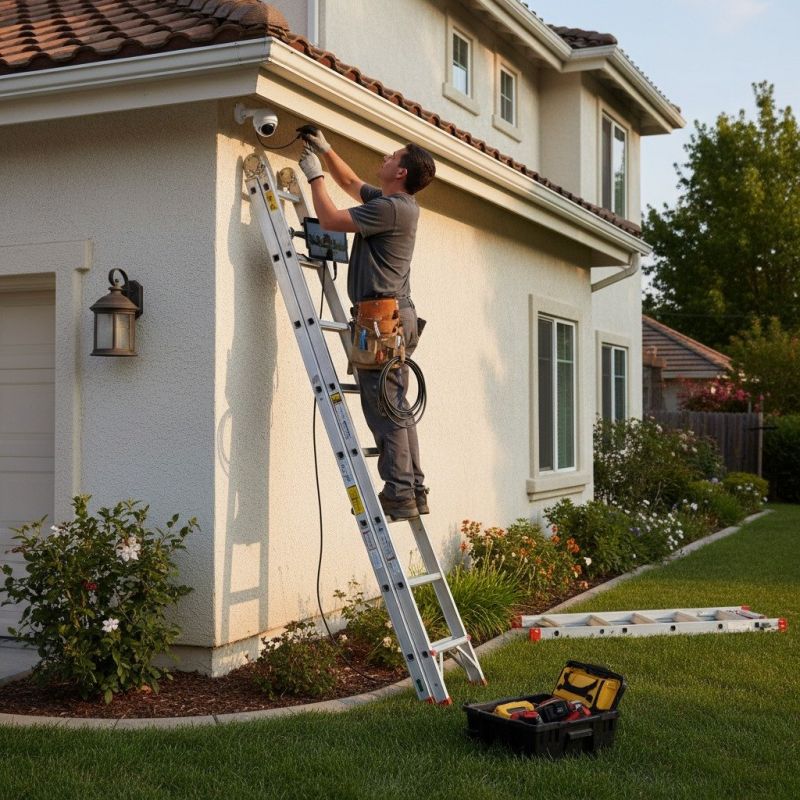

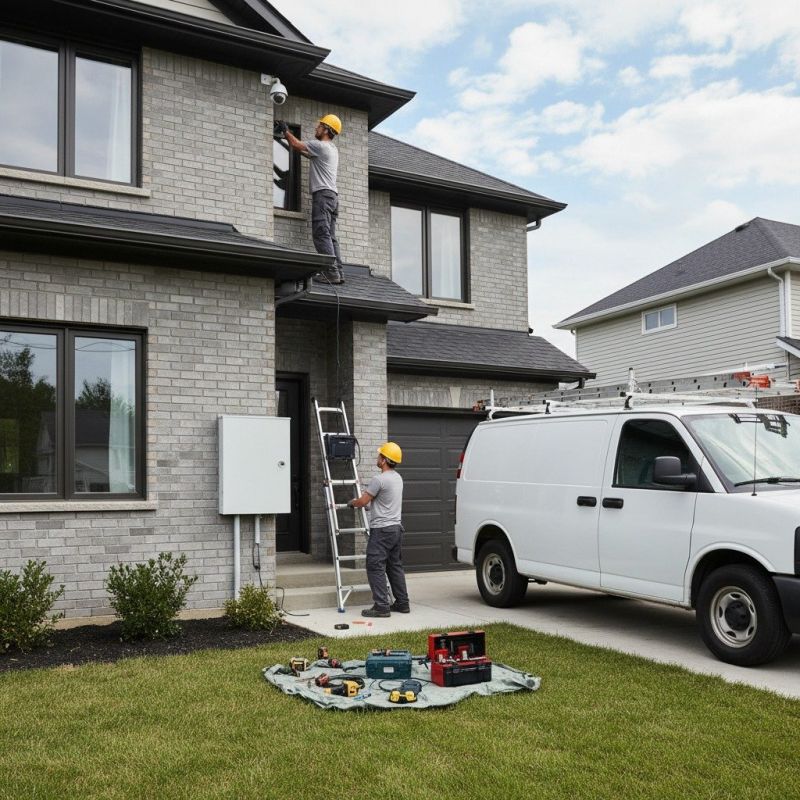
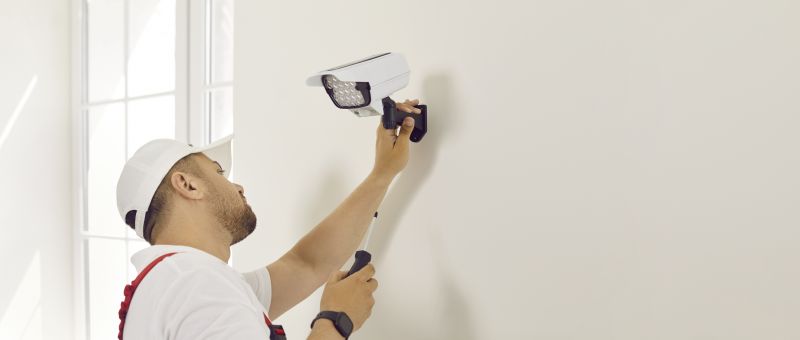
Use consistent comparison criteria to evaluate local contractors' scope, experience, and written expectations for CCTV camera installation.
- Scope Definition - Clearly outline the areas and specific points where CCTV cameras will be installed.
- Experience Verification - Confirm that local contractors have relevant experience with similar CCTV installation projects.
- Equipment Specifications - Specify the types and features of cameras and related equipment required for the installation.
- Installation Requirements - Identify the preferred mounting locations, wiring methods, and integration with existing security systems.
- Documentation and Agreement - Ensure all project details, responsibilities, and expectations are documented in a written agreement.
When comparing contractors for CCTV camera installation, it’s important to consider their experience with similar projects. Homeowners should inquire about the types of systems the service providers have installed in the past and whether they have worked on properties comparable in size and layout. A contractor with a proven track record in residential security system setups can better understand the unique challenges of your site and recommend appropriate solutions. Verifying the depth of their experience helps ensure that the chosen contractor has the skills needed to deliver a reliable and effective installation.
A clear, written scope of work is essential to establish mutual understanding and set expectations. Homeowners should seek detailed descriptions of what the installation will include, such as the number of cameras, placement locations, wiring methods, and any additional equipment or features. Having this scope documented helps prevent misunderstandings and provides a basis for evaluating whether the service provider’s proposal aligns with the specific needs of the property. Clarity in scope also makes it easier to compare different contractors based on the comprehensiveness of their proposals.
Verification basics involve confirming that the contractor has the appropriate experience and a thorough understanding of your project requirements. Homeowners can ask for references or examples of previous work, ensuring that the service providers have successfully completed similar installations. Additionally, it’s useful to verify that the contractor understands the site’s unique characteristics, such as building materials and layout, which can impact camera placement and wiring. This due diligence helps identify professionals who are capable of executing the project effectively and reduces the likelihood of surprises during installation.
Evaluating options without focusing on prices involves assessing how well each contractor’s approach and expertise match the project’s needs. Homeowners should compare the clarity of scope, the level of experience demonstrated, and the professionalism of communication. It’s also helpful to consider the contractor’s ability to provide detailed, written proposals and to answer questions thoroughly. By focusing on these qualitative factors, property owners can select a service provider who offers the right combination of experience, clarity, and professionalism to ensure a successful CCTV camera installation tailored to the property’s specific requirements.
Ask contractors to provide written scope details to ensure clear understanding and consistent expectations throughout the project.
- Experience and Credentials - How can I verify the experience and background of local contractors specializing in CCTV camera installation?
- Scope of Work - What specific services and coverage do contractors include when installing CCTV systems?
- Comparison of Offerings - How do different service providers define the scope and features of their CCTV installation packages?
- Warranty and Support - What warranties or post-installation support do local contractors typically offer for CCTV systems?
- Written Estimates and Agreements - How can I ensure that the scope and expectations are clearly outlined in written agreements with contractors?
How can I compare CCTV camera installation contractors effectively? To compare contractors, review their experience, verify references, and assess their scope of services to ensure they meet specific security needs.
What should be included in a scope of work for CCTV installation? A clear scope of work outlines camera types, installation locations, wiring requirements, system configuration, and any additional features or accessories.
How do I verify the experience of a CCTV installation contractor? Check for reviews, request references, and inquire about previous projects similar to the installation requirements to gauge their expertise.
Why is it important to have a written agreement with a contractor? A written agreement helps set clear expectations, defines the scope of work, and provides a record of the agreed-upon services, reducing misunderstandings.
What questions should I ask a contractor before hiring for CCTV installation? Ask about their experience, the equipment they recommend, the installation process, and how they handle system testing and support.
How can I ensure the contractor understands my security needs? Clearly communicate your requirements, ask for a detailed plan, and confirm that the scope covers all desired areas and features before proceeding.
This page has highlighted the importance of clearly defining the scope of a CCTV camera installation project, verifying the experience of service providers, and setting expectations in writing to ensure a smooth process. Visitors now understand how to compare local contractors effectively and ask the right questions to find a suitable match for their needs. Using the quote form allows for easy access to multiple local service providers, enabling informed comparisons and choices.
To move forward, visitors are encouraged to use the quote form to connect with local contractors who can handle CCTV camera installation. This step provides an opportunity to gather information, review options, and find the right service provider for specific requirements. Comparing local options through the form helps ensure that the project is approached with clarity and confidence.